
People come to yoga looking for various things: peace of mind, stress reduction, improved concentration and weight loss. Yoga can help you to accomplish all of this, but "yoga works, if you work!" You have to do the practices on a regular basis in order to get the results.
If you have bought some books on yoga and meditation, don't let them gather dust while you sit around thinking that maybe one day you are going to practice.
Yoga postures and basic meditation exercises are simple enough to learn. In fact, I teach them to children and they pick them up quite easily. So I am sure that you can learn what to do fairly easily and quickly. The big problem for most people is to establish the habit of doing the practices on a regular basis. Here are a few tips which may help you to do your yoga and meditation on a daily basis.
Yoga begins and ends in the mind. Make a determination that you are going to give yoga a fair try and you are going to practice, because it is important to you. Close your eyes and think, "For the next three months, I am going to do it every day." Over the course of time, whenever you start thinking, "Oh today I don't want to do my yoga exercises," remember your initial determination and stick to it.
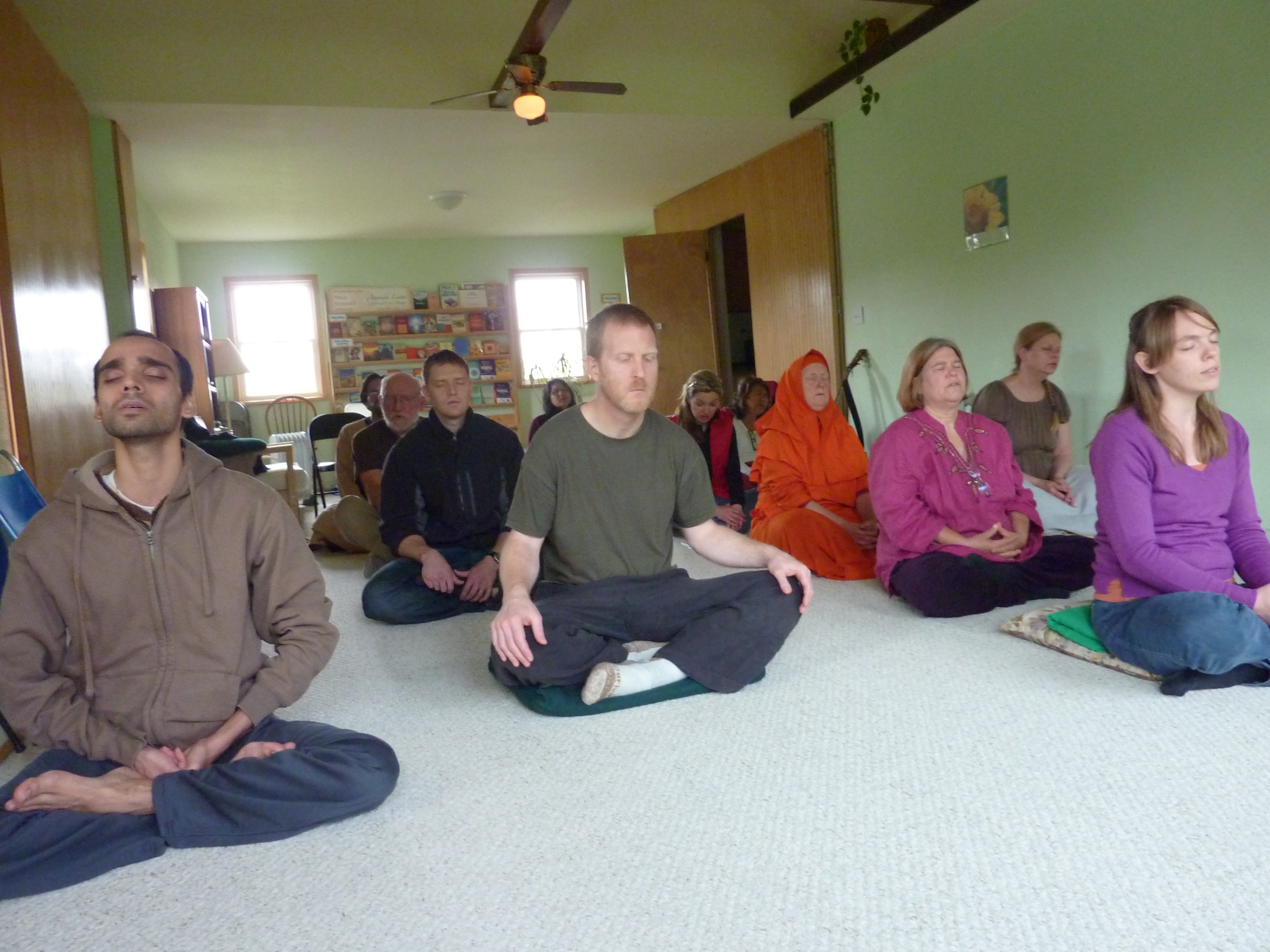
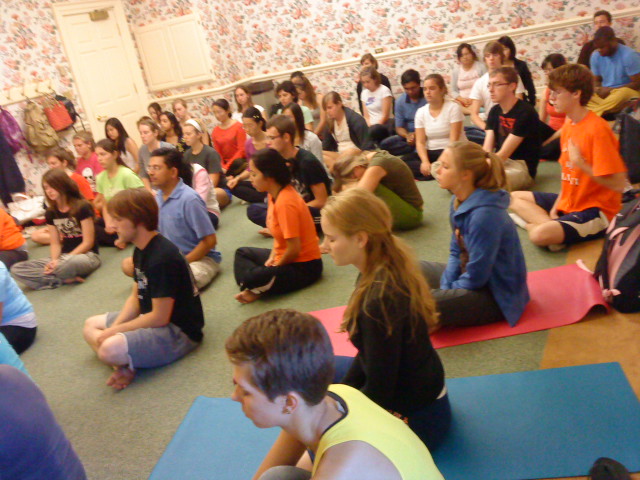
Learning how to give and share is an important part of yoga, so don't keep yoga to your self. If possible, find one or two friends who would benefit from practicing yoga, and do it together with them. The good thing about practicing with others is that if a day comes when you are not motivated to do the practice, the enthusiasm of your friends will carry you along and you will do the practice with them.
Yoga is not like tennis or some recreational sport that you do if the sun is shining and you feel like doing it. To get the true benefits from yoga, you have to do it every day. So free some space in your busy schedule and reserve this time for your practice of yoga and meditation.
If you get up a bit earlier in the morning, you will have a nice quiet time to do your yoga before the rest of your neighbors wake up. In the evening, do your best to keep some time free for yoga before your evening meal. Once you have set your schedule, stick to it as best you can.
It is not enough to reserve time for yoga with your body doing the exercises if your mind continues to worry about other things. When you stop to do your yoga and meditation, you should remember that the next 30 or 40 minutes has been reserved for yoga and for your development. Don't jump up to answer the phone or respond to every minor disturbance. This period of time is for you.
Sometimes you will feel the effects of yoga, and sometimes you will not feel anything. Don't worry about the immediate effects; continue to practice. It takes a while before the most profound results of yoga are realized.
It took you many years to build up your present personality and physical structure. You can't change it overnight. But the good news is that you don't have to wait many years to change yourself, because the regular and systematic practice of yoga postures and basic meditation can help you to make great changes in a period of six months to one year.
So hang in there, start practicing, continue practicing — and slowly but surely, yoga will help you to realize your most important goals.
 Helpful Podcasts